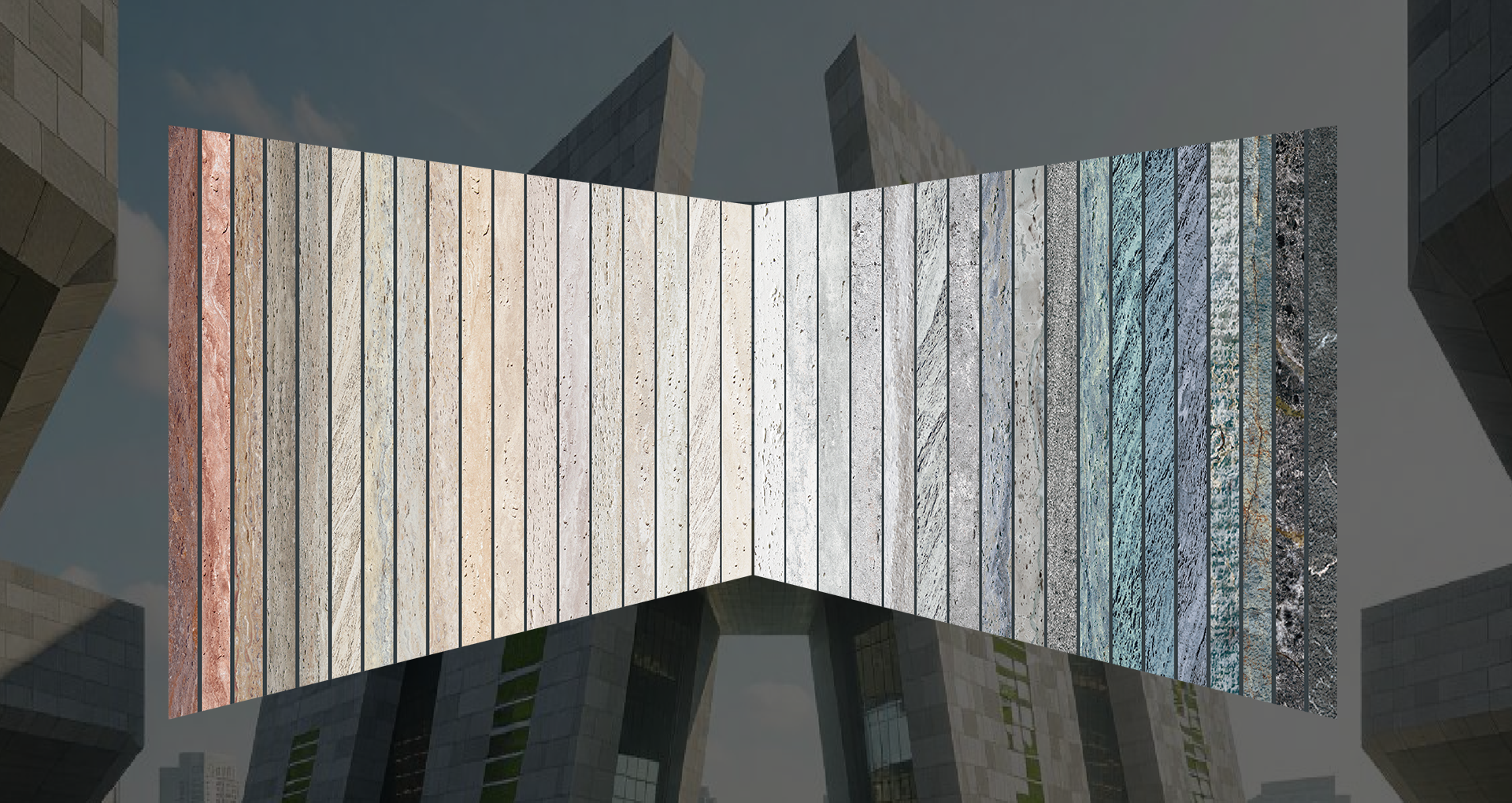
A 35-storey mixed-use development in central Ulaanbaatar has been completed with PHOMI eCoverings installed across 25,000 square metres of exterior facade. The project, delivered in partnership with a Mongolian construction group, is the largest single-project installation of PHOMI products in the country and demonstrates the system's suitability for high-rise applications in extreme climate conditions.
Project context and climate requirements
Ulaanbaatar's climate presents specific challenges for exterior cladding. Average winter temperatures reach -25°C, with recorded extremes below -40°C. Freeze-thaw cycling, high UV exposure during summer, and significant temperature differentials between day and night require facade materials to maintain dimensional stability and surface integrity across a wide operating range.
The project specification team selected eCoverings following independent testing of frost resistance and thermal cycling performance. PHOMI's product data confirms dimensional stability across a temperature range of -40°C to +70°C with no surface delamination, cracking, or colour shift.
Installation logistics
The 25,000m² facade was installed over 14 months using a clip-rail mounting system. The lightweight nature of eCoverings panels — averaging 5.2 kg/m² — reduced crane load requirements compared with the natural stone alternative evaluated in the early design phase. The installation team reported panel cutting waste of less than 4%, compared with a typical stone installation waste rate of 12–18%.
The texture specified for the project is PHOMI's travertine-finish eCoverings in a warm ivory tone, chosen to complement the building's structural aluminium framing system and to provide visual warmth against Ulaanbaatar's winter skyline.
Performance monitoring
The building owner has installed environmental monitoring sensors on the facade to collect long-term data on surface temperature, humidity, and UV exposure. PHOMI's technical team will review this data annually as part of a five-year performance monitoring programme — contributing to the industry dataset on MCM performance in subarctic and continental climates.